Based in Staines-upon-Thames
Tree Reduction Specialistsin Staines-upon-Thames
Crown reduction cuts a tree back to a safer, more manageable size while keeping its natural shape, carried out by NPTC and LANTRA qualified climbers.
The service
What tree reduction is, and when it's the right option
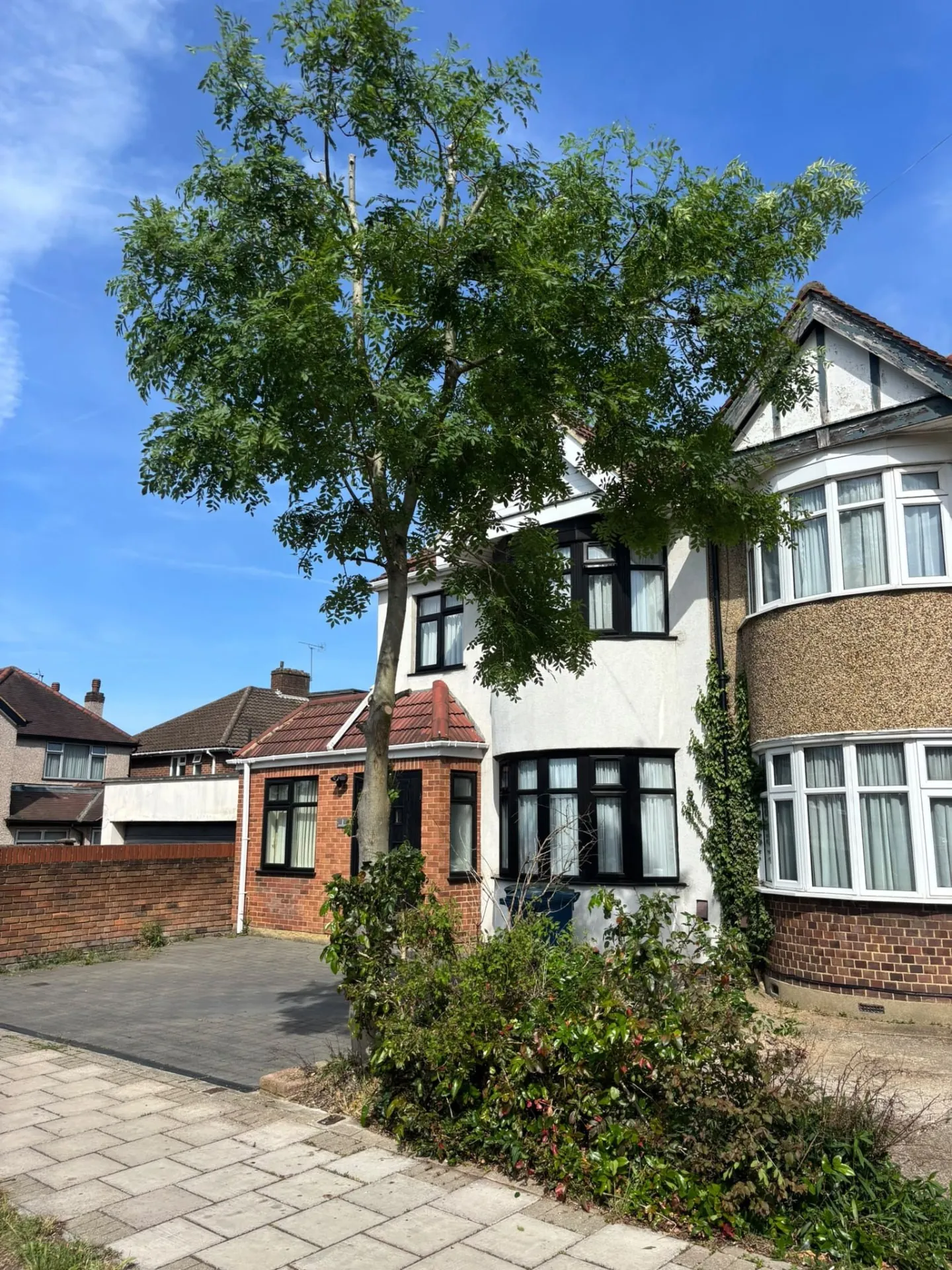
Tree reduction, sometimes called crown reduction, is the careful cutting back of a tree's branches to reduce its overall height and spread, without removing the tree entirely. Done properly, the tree keeps its natural shape and continues growing, just from a smaller, better-balanced crown. It's the option for a tree that's become too large for its spot, too close to a house or power line, or too heavy for its own root system to support safely, where removal would be more drastic than the problem needs.
Reduction is called for when a tree is blocking light from windows or a greenhouse, overhanging a roof or gutter, growing into overhead cables, or has simply outgrown the space it was planted in years ago. It's also used after storm damage, where a lopsided crown needs rebalancing, or where a tree protected by a Tree Preservation Order can't be removed and reduction is the only option available, once consent has been obtained.
Reduction looks straightforward from the ground but is technical work. Cut in the wrong place, a branch can trigger weak, fast regrowth that makes the original problem worse within a couple of seasons. Cut correctly, back to a suitable growth point, the tree responds with a stronger, more compact shape that's easier to manage going forward. The Tree Fellowes carries out reduction work across Staines, Kingston upon Thames, Richmond upon Thames, Ealing, Watford, Maidenhead, Beaconsfield, Hammersmith, Fulham, Farnborough and Guildford, with eight years of hands-on experience behind every cut.
Recent Jobs
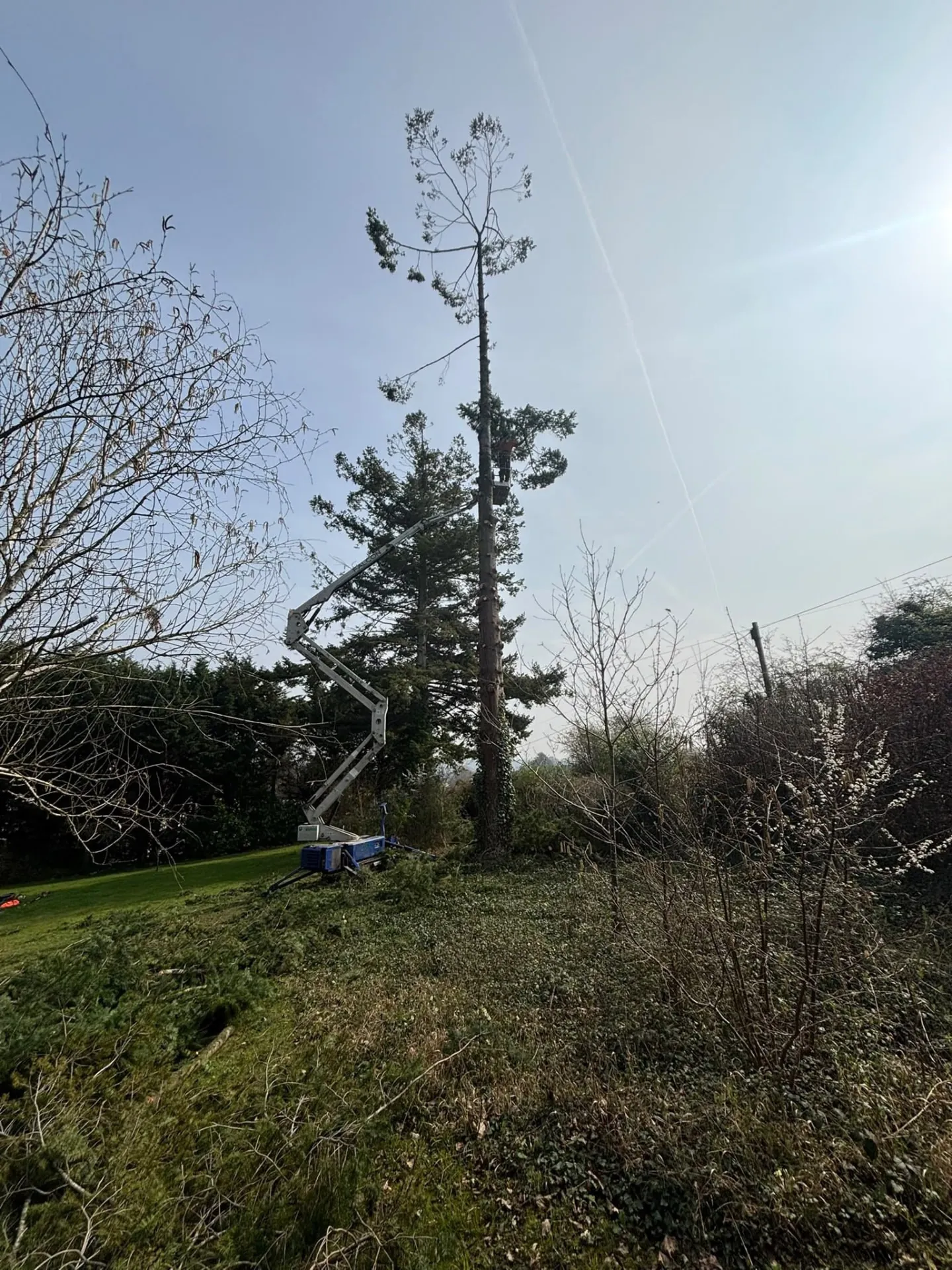
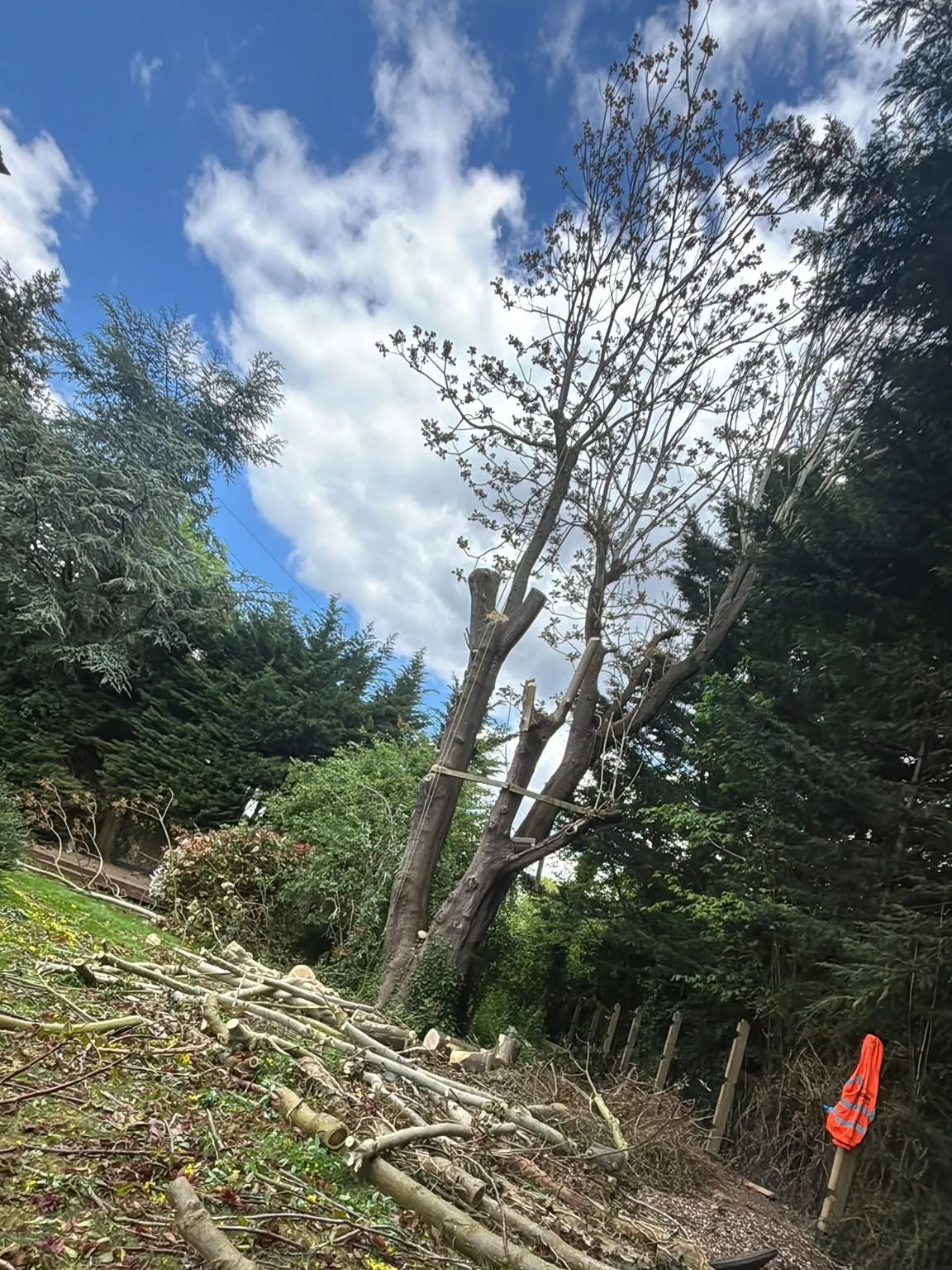
What happens if an oversized tree isn't reduced
A tree that's outgrown its space keeps growing. Left unmanaged, the risks and the eventual cost of fixing the problem both increase.
Weight builds faster than roots can support
A tall, heavy crown on a root system that hasn't kept pace puts the whole tree at greater risk of toppling or shedding large limbs in strong wind.
Branches reach power lines and roofs
Unchecked growth eventually reaches overhead cables, guttering or roof tiles, risking damage to the property or a dangerous situation involving live cables.
Light loss gets worse every year
A crown that isn't reduced keeps expanding, shading out more of the garden, greenhouse or windows each growing season rather than stabilising on its own.
Common mistakes we see
- ✕Topping the tree instead of reducing it properly, which removes the crown wholesale and tends to trigger dense, weak regrowth.
- ✕Cutting large limbs back to a stub rather than a proper growth point, leaving the tree prone to decay at the cut.
- ✕Reducing a tree without checking whether it carries a Tree Preservation Order, when consent should be sought first.
- ✕Leaving a lopsided crown after storm damage unaddressed, increasing the chance of further limb failure in the next storm.
- ✕Assuming reduction is a one-off fix; fast-growing species need repeat reductions every few years to stay at a manageable size.
How it works
How a tree reduction job is carried out
- 01
Site visit and fixed quote
The tree's size, species, condition and surroundings are assessed on site, and a fixed quote is given in writing, with no deposit required.
- 02
Agreeing the target size and shape
How much the crown needs to come down, and where, is agreed before any cutting starts, so the result matches what's needed, whether that's clearing a roofline or reducing overall height.
- 03
Climbing and cutting back to growth points
Branches are cut back to suitable lateral growth points rather than stubbed, which keeps the tree's natural shape and gives it the best chance of healthy regrowth.
- 04
Balancing the crown
The crown is checked from the ground as work progresses, to keep it even and avoid leaving the tree lopsided or more exposed on one side than another.
- 05
Clear-up and sign-off
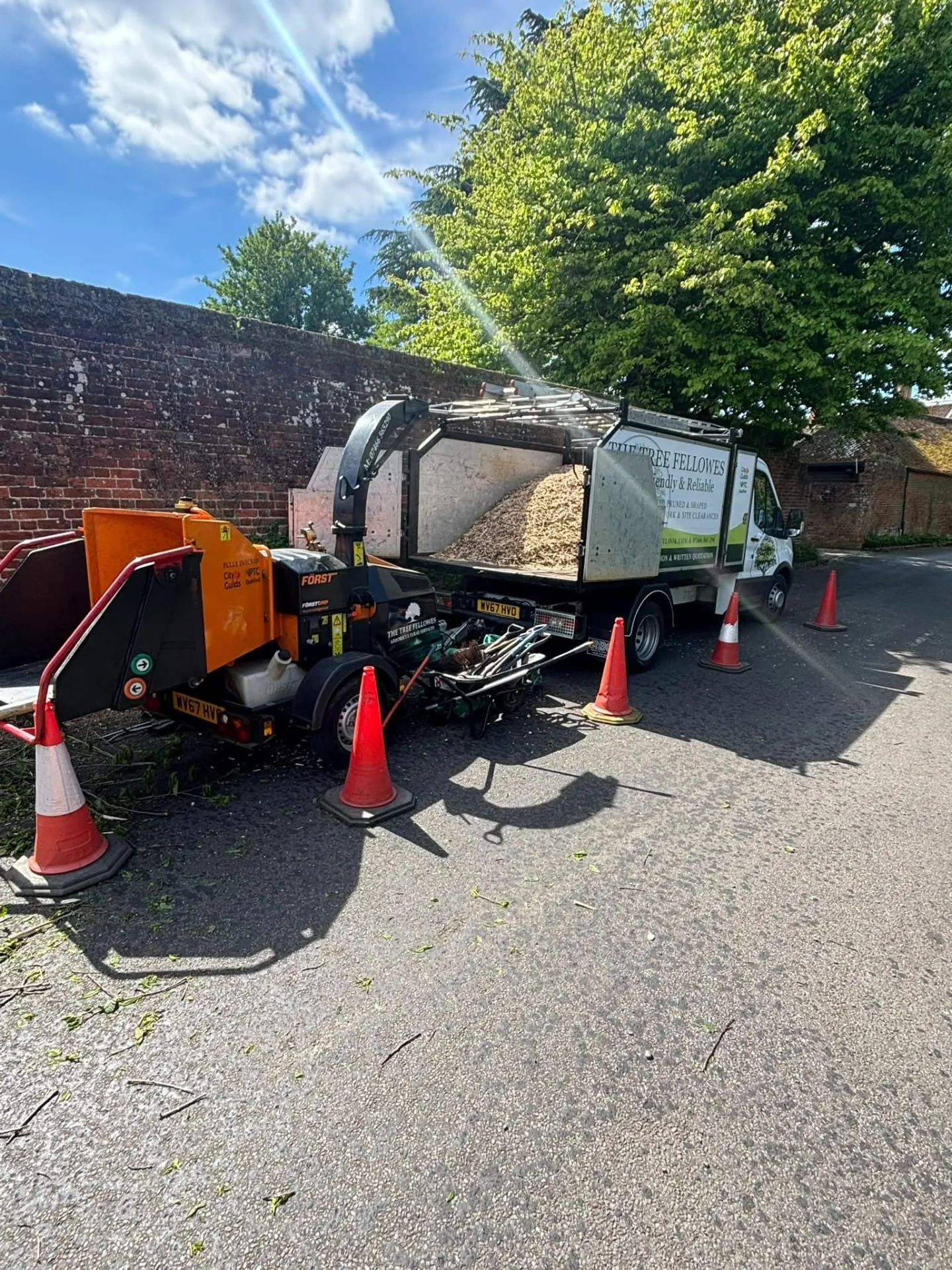
All cut material is cleared from site as a registered waste carrier, the ground is swept, and payment is only taken once you're happy with the finished reduction.
What a professional reduction gets you
A safer, more stable tree
Less weight in the crown means less strain on the trunk and roots in strong wind.
Clearance from roofs, gutters and cables
Reduction keeps branches away from the structures and services they're starting to encroach on.
More light back in the garden
A reduced crown lets more daylight reach lawns, borders, greenhouses and windows that had become shaded out.
The tree's natural shape kept intact
Cutting to proper growth points avoids the stubby, unnatural regrowth that comes from topping.
Covered by £2 million public liability insurance
Work at height near a house, a boundary or overhead cables is covered throughout.
No deposit, paid once you're satisfied
A fixed quote is agreed up front, and nothing is paid until the finished crown has been checked.
In detail
How reduction work varies by tree and situation
Crown reduction vs crown thinning
Reduction and thinning are often confused but achieve different things. Thinning removes a proportion of smaller branches throughout the crown to improve light and airflow, without changing the tree's overall size. Reduction actually brings the whole crown in, cutting back the outer branches to reduce height and spread. Where a tree is simply too big for its space, overhanging a roof or blocking a view, reduction is the appropriate option rather than thinning.
Reducing trees near buildings, cables and boundaries
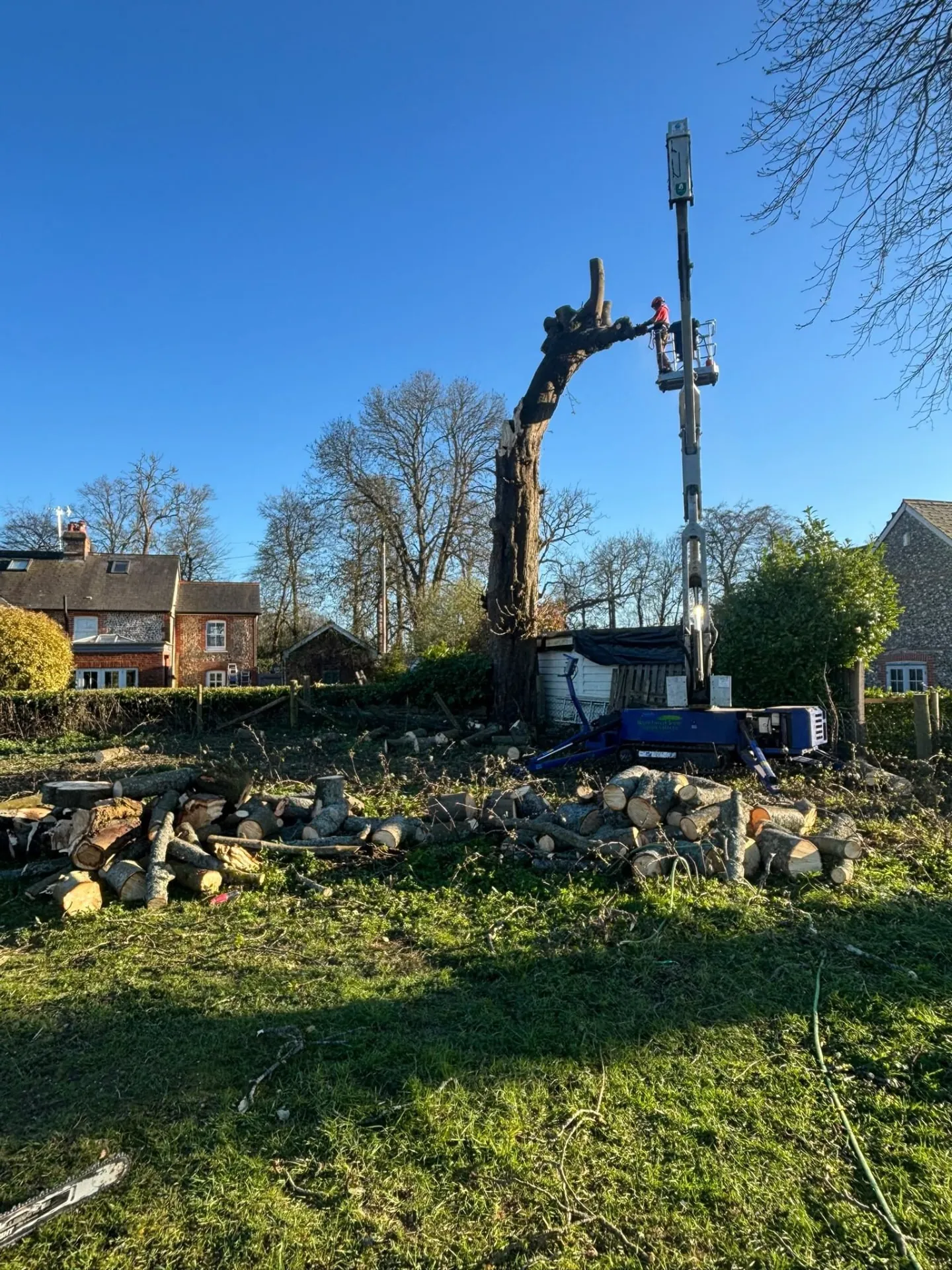
Reduction close to a house, a boundary fence or overhead cables calls for precise rigging, so that every cut piece is lowered under control rather than dropped. This is common across tighter residential plots in Kingston upon Thames, Hammersmith, Fulham and Richmond upon Thames, where there's often very little margin between the tree and the surrounding structures.
Reduction after storm damage
Where a storm has snapped branches or left a crown unbalanced, reduction is used to even out the remaining growth and remove weak points before they fail further. This kind of urgent, safety-driven reduction falls under the 24/7 emergency callout service, separate from routine reduction work carried out within standard hours.
How often reduction needs repeating
Fast-growing species, including many conifers and some poplars, will regrow towards their previous size within a few years and need reducing again on a cycle. Slower-growing species hold a reduction for considerably longer. This is worth discussing at the quote stage so you know roughly when the tree is likely to need attention again.
Related services
Areas we cover
Kingston upon Thames, Ealing, Farnborough, Richmond upon Thames, Watford, Maidenhead, Beaconsfield, Hammersmith, Fulham, Guildford.
Tree Reduction FAQs
How much does tree reduction cost?+
There's no published price list, since the cost depends on the size of the tree, the access and the amount of reduction needed. A site visit gives a fixed quote in writing, with no deposit taken.
How long does a tree reduction take?+
Most reductions are completed within a single visit, typically a few hours for a standard domestic tree. Larger or multiple trees are quoted with a realistic timeframe on the day.
What does the reduction process involve?+
After a site visit and fixed quote, the target size is agreed, the crown is climbed and cut back to suitable growth points, the shape is checked from the ground, and all material is cleared before the job is signed off.
Is there a guarantee on tree reduction work?+
No written guarantee is offered. The finished shape is checked from the ground with you before the climber finishes, and payment is only taken once you're happy with the result.
How long does a reduction last before it needs doing again?+
This depends on the species. Fast-growing trees may need reducing again within a few years, while slower-growing species can hold their shape for considerably longer.
Can tree reduction be carried out as an emergency?+
Yes, where storm damage has left a crown unbalanced or dangerous, emergency reduction is available 24/7. Routine reduction work is carried out between 7am and 6pm, seven days a week.
Do I need permission to reduce a tree?+
If the tree has a Tree Preservation Order or sits in a conservation area, getting consent before work starts is the customer's responsibility, so check with your local council before booking.
Which areas do you cover for tree reduction?+
Jobs are carried out across Staines, Kingston upon Thames, Ealing, Farnborough, Richmond upon Thames, Watford, Maidenhead, Beaconsfield, Hammersmith, Fulham and Guildford.
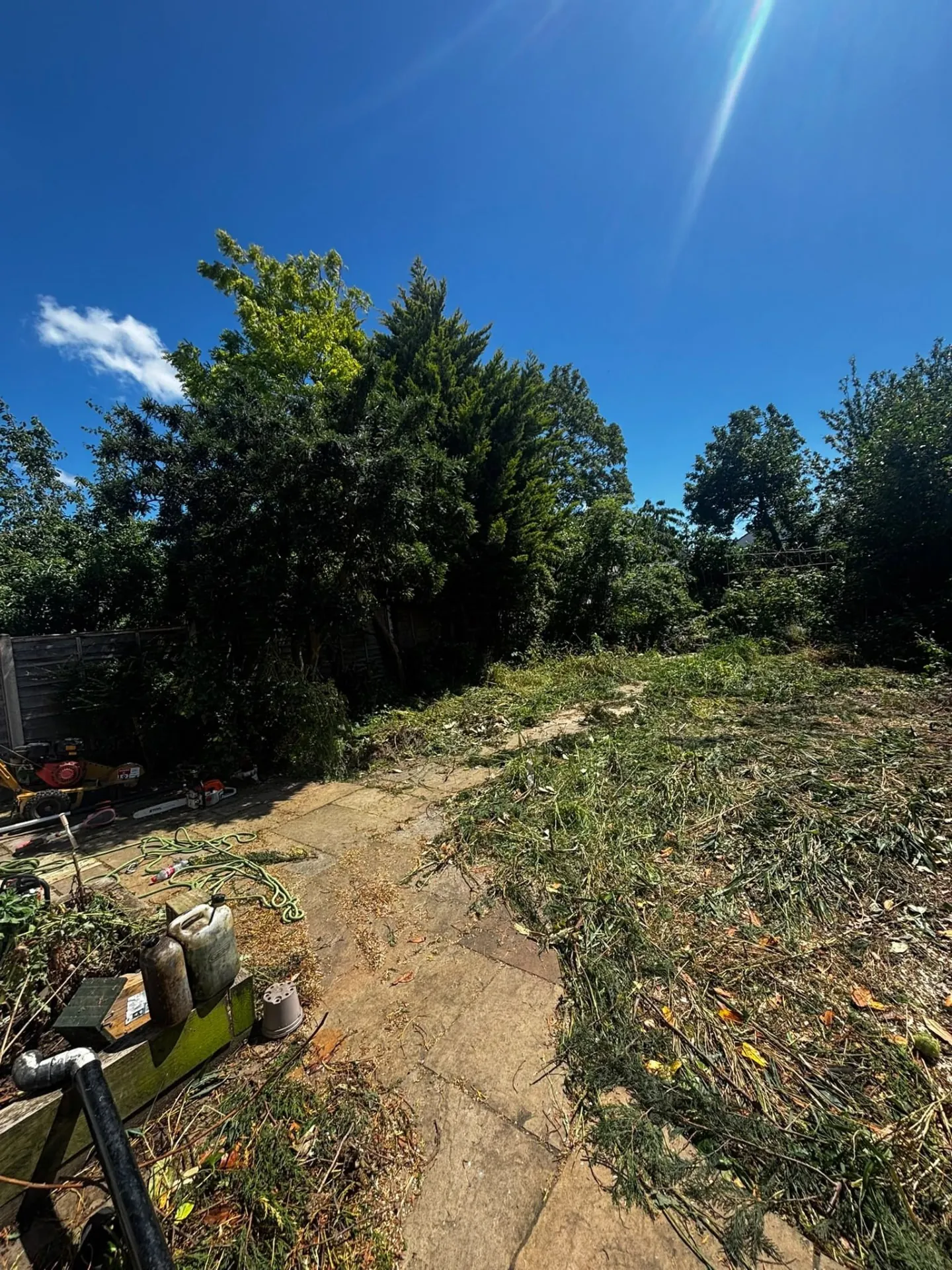
Get your oversized treereduced safely this week
Book a site visit for a fixed quote, with no deposit and nothing to pay until the finished crown has been checked and agreed.
NPTC & LANTRA qualified · £2m insured · No deposit